

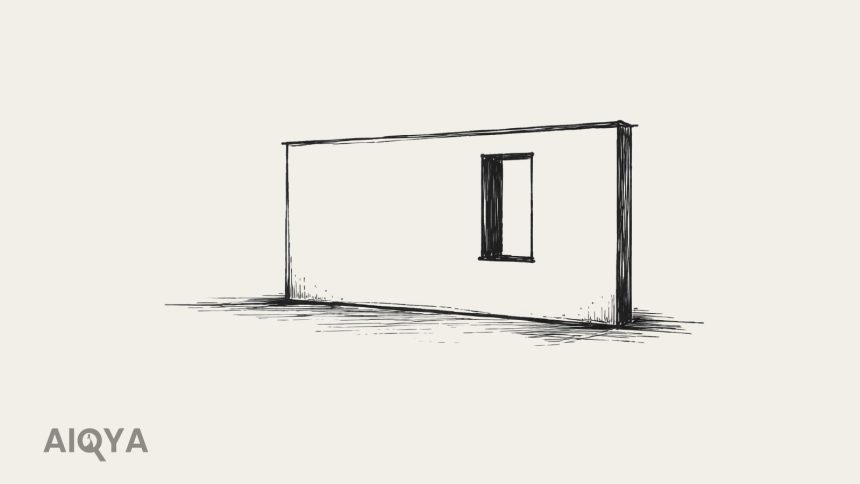
The architecture of pause is not about stopping movement, but about allowing it to soften. In a world designed for efficiency and flow, spaces that permit stillness feel almost accidental. Yet pause, when offered intentionally through proportion, light, and restraint, restores dignity to how we inhabit buildings and cities.
Most spaces are designed to move us along. Corridors narrow, paths straighten, and signage urges direction. Even places meant for gathering assume motion as the default state. Pause, when it occurs, feels incidental, something borrowed rather than offered.
Yet pause is not the absence of activity. It is a spatial condition. It happens when a place stops asking us to proceed and allows us to remain. Architecture does not create pause by adding furniture or amenities. It creates pause by withholding instruction, by leaving room for stillness to occur naturally.
Pause, when it occurs, feels incidental, something borrowed rather than offered.
In older environments, this permission was embedded rather than named. Steps widened near thresholds. Verandahs blurred the line between inside and out. Courtyards absorbed light and sound before releasing movement again. These were not spaces of rest by designation. They were spaces that understood rhythm.
Exclusive Research. Structured Access.
To preserve quality and purpose,
AIQYA’s research is shared by request.